As temperatures begin to drop, your vehicle may face changing road and weather conditions that can put extra demands on important systems. Cooler temperatures, wet roads, falling leaves, shorter days, and eventually snow and ice can all affect how your vehicle performs. Taking care of a few key maintenance items in the fall can help you catch potential problems early and make your vehicle better prepared for winter driving.
Start With Your Tires
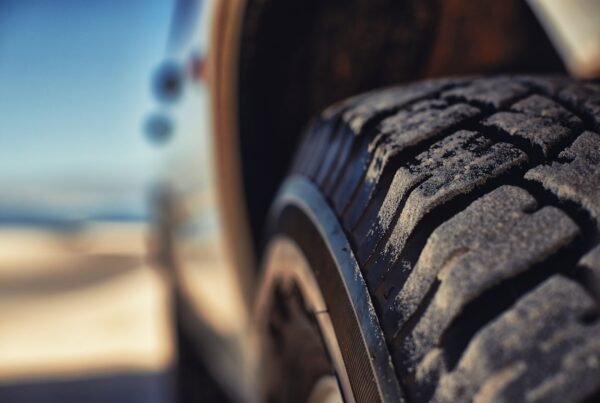
Your tires play an important role in maintaining traction and control as roads become wet, icy, or snow-covered. Before winter weather arrives, take a close look at your tire tread and check for uneven wear, cracks, bulges, or other visible damage. Tires with worn tread may have a harder time maintaining traction when road conditions deteriorate.
Cold temperatures can also cause tire pressure to drop, which is why checking your tire pressure regularly becomes especially important as the seasons change. Make sure your tires are inflated to the pressure recommended for your vehicle, and consider having them professionally inspected if you notice unusual wear or are unsure about their condition.
Make Sure Your Battery Is Ready for Cold Starts
A weak battery can become a much bigger problem once temperatures fall. Cold weather makes it harder for an engine to start, placing additional demands on the battery. If your battery is already struggling, that extra demand could leave you with a vehicle that won’t start when you need it.
Having your battery tested in the fall can help determine whether it still has adequate starting power. It’s also a good opportunity to check the battery terminals and charging system for signs of corrosion or other potential issues.
Don’t Put Off Brake Service
Fall is a good time to make sure your brakes are ready for the months ahead. Rain, snow, ice, and reduced traction can make dependable stopping performance even more important during winter driving.
Pay attention to warning signs such as squealing or grinding noises, vibrations when braking, a soft pedal, or changes in how your vehicle stops. If you notice any of these symptoms, have your brakes inspected rather than waiting for the problem to get worse. Addressing brake concerns early can help maintain reliable stopping performance throughout the colder months.
Check Your Essential Fluids
Your vehicle depends on several fluids to keep its major systems operating properly. Engine oil, coolant, brake fluid, transmission fluid, and other fluids should be checked regularly and maintained at the proper levels.
Coolant deserves particular attention before freezing temperatures arrive. The cooling system needs to contain the correct mixture and amount of coolant to help protect the engine from both overheating and freezing. Checking for low fluid levels or leaks before winter can help prevent avoidable problems when temperatures drop.
Replace Worn Wiper Blades
Fall weather can bring rain, leaves, road spray, and other conditions that make clear visibility especially important. By the time winter arrives, your wipers may also need to handle snow and ice.
If your wiper blades are leaving streaks, skipping across the windshield, or failing to clear water effectively, it’s probably time for a replacement. Make sure your windshield washer fluid is also filled and suitable for colder temperatures. Being able to maintain a clear view is essential when driving through changing weather.
Check Your Lights Before the Days Get Shorter
With daylight hours becoming shorter, you may find yourself driving more often in darkness or during low-visibility conditions. Properly functioning headlights, brake lights, turn signals, and other exterior lights help you see where you’re going and make your vehicle more visible to other drivers.
Take a few minutes to check that your vehicle’s lights are working properly. Replace burned-out or dim bulbs and have any electrical concerns addressed before poor weather and shorter days become routine.
Make Sure Your Heat and Defroster Work Properly
Your heating system becomes much more important once temperatures begin to fall, but your vehicle’s defroster is also an important part of maintaining visibility. A properly functioning defroster helps clear condensation, frost, and moisture from the windshield.
If your heater isn’t producing enough warm air, the airflow is weak, or your defroster isn’t clearing the windshield effectively, have the system inspected before winter arrives. Taking care of these issues in the fall can help you avoid dealing with a failed heating system on the coldest days of the year.
Take Care of Small Problems Before They Become Bigger Ones
Seasonal maintenance is also a good opportunity to address minor concerns you may have noticed during the summer. Strange noises, warning lights, unusual vibrations, fluid leaks, or changes in how your vehicle handles shouldn’t be ignored simply because the vehicle is still running.
A professional inspection can help identify developing problems and determine whether your vehicle needs routine maintenance or a more involved repair. Taking care of issues early may help prevent unexpected breakdowns and more costly repairs later.
Get Ahead of the Season
Fall is an ideal time to prepare your vehicle for the colder months ahead. Checking your tires, battery, brakes, fluids, wipers, lights, and heating system can help you identify potential concerns before winter driving conditions make them more difficult to deal with.
Don’t wait for colder weather to expose a problem. Schedule an appointment with J & L Tire and Service Center today and make sure your vehicle is ready for fall and winter driving.